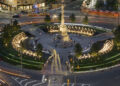
With Olin landscape as our focal point, let's delve into the fascinating world of landscape architecture. From its integration with urban planning to its innovative design elements, this topic promises to be both enlightening and captivating.
In the following paragraphs, we will explore the concept, elements, sustainability, and projects related to Olin landscape, offering a well-rounded view of this intricate field.
Overview of Olin Landscape
Olin landscape architecture embodies a unique approach to designing outdoor spaces that seamlessly blend nature, art, and functionality. It focuses on creating sustainable, aesthetically pleasing environments that enhance the overall quality of life for those who interact with them.
One of the key significances of Olin landscape in urban planning is its ability to transform concrete jungles into green oases within cities. By incorporating green spaces, water features, and innovative design elements, Olin landscapes help mitigate the negative effects of urbanization, such as pollution, heat island effect, and lack of greenery.
Integration with the Surrounding Environment
Olin landscape design is known for its thoughtful integration with the surrounding environment. Through careful consideration of the natural topography, existing vegetation, and cultural context, Olin landscapes seamlessly blend into their surroundings, creating harmonious spaces that feel like a natural extension of the environment.
Elements of Olin Landscape Design
Olin landscape designs are known for incorporating various key elements that set them apart from traditional landscape designs. These elements often focus on creating innovative and sustainable outdoor spaces that blend seamlessly with the surrounding environment.
Key Elements in Olin Landscape Design
- Integration of natural elements such as water features, native plants, and sustainable materials
- Emphasis on creating functional spaces that promote interaction and engagement
- Balance between aesthetics and functionality to enhance the overall user experience
- Attention to detail in design elements such as pathways, seating areas, and lighting
- Sustainability practices like rainwater harvesting, green roofs, and use of recycled materials
Comparison with Traditional Landscape Design
Olin landscape design differs from traditional landscape design in its approach towards sustainability, functionality, and innovation. While traditional designs may focus more on ornamental features and formal layouts, Olin designs prioritize environmental considerations and user experience.
Innovative Features in Olin Landscape Architecture
- Green infrastructure solutions like bioswales and permeable paving to manage stormwater
- Interactive elements such as outdoor art installations and community gathering spaces
- Use of technology for smart irrigation systems and energy-efficient lighting
- Integration of sustainable practices like vertical gardens and habitat restoration
Sustainability in Olin Landscape
Sustainability plays a crucial role in Olin landscape projects, ensuring that designs not only enhance the environment but also preserve it for future generations. By incorporating sustainable practices, Olin Landscape creates spaces that are ecologically responsible and resilient.
Sustainable Practices in Olin Landscape Design
- Utilization of native plants: Olin Landscape prioritizes native plant species in their designs, which require less water and maintenance, contributing to a healthier ecosystem.
- Water conservation techniques: Implementing efficient irrigation systems, rain gardens, and permeable surfaces help reduce water consumption and prevent runoff, promoting water conservation.
- Green infrastructure integration: Olin Landscape incorporates green roofs, bioswales, and other green infrastructure elements to manage stormwater, improve air quality, and reduce the heat island effect in urban areas.
- Material selection: Choosing sustainable materials such as recycled, reclaimed, or locally sourced materials reduces the environmental impact of construction and supports the local economy.
Impact of Sustainable Elements on Design Aesthetic
The integration of sustainable elements in Olin landscape design not only enhances the environmental performance of the spaces but also adds a unique aesthetic appeal. Features like green roofs, rain gardens, and native plantings create visually striking landscapes that blend seamlessly with the surrounding environment.
The combination of functionality and beauty in sustainable design elements elevates the overall aesthetic of Olin Landscape projects, making them not only sustainable but also visually captivating.
Olin Landscape Projects
Olin Landscape has been involved in various notable projects around the world, showcasing their innovative design approach and sustainable concepts. Let's explore some of these projects and delve into the cultural influences that shape Olin's landscape designs.
Notable Olin Landscape Projects
- The Barnes Foundation in Philadelphia, USA: Olin transformed the landscape around the Barnes Foundation, integrating art, nature, and architecture seamlessly. The design approach focused on creating a harmonious space that complemented the renowned art collection housed in the museum.
- Beijing Olympic Park in China: Olin played a crucial role in designing the landscape for the Beijing Olympic Park, incorporating traditional Chinese elements with modern aesthetics. The project aimed to reflect the cultural heritage of China while providing a sustainable and functional outdoor space for visitors.
Design Approach and Concept Behind a Specific Olin Landscape Project
One of the key aspects of Olin's design approach is the integration of nature with the built environment. For example, in the Barnes Foundation project, Olin focused on creating a dialogue between the art inside the museum and the surrounding landscape.
The concept revolved around blurring the boundaries between indoor and outdoor spaces, enhancing the overall visitor experience.
Cultural Influences on Olin Landscape Projects
Olin Landscape projects often draw inspiration from the cultural context of the region where they are located. For instance, in the Beijing Olympic Park project, Olin incorporated elements of traditional Chinese gardens and symbolism to create a landscape that resonated with the local culture.
By understanding and respecting the cultural influences, Olin is able to create landscapes that are not only aesthetically pleasing but also meaningful to the community.
Final Review
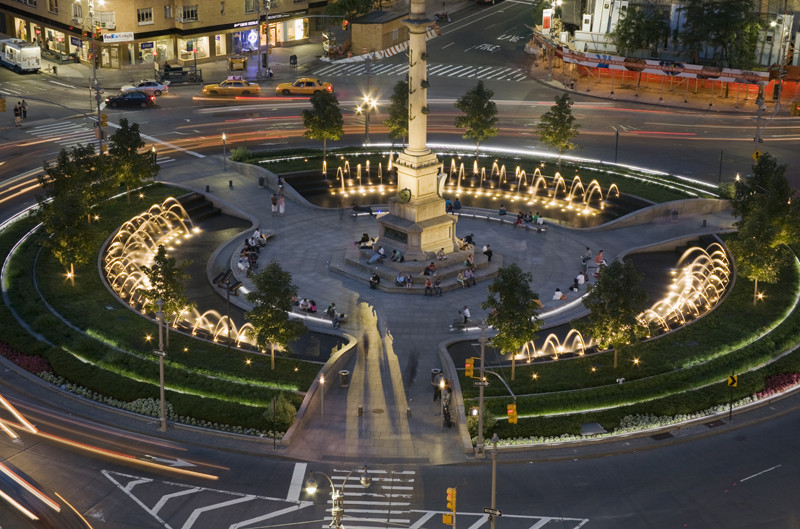
In conclusion, Olin landscape stands as a testament to the harmonious blend of nature and human creativity. Its impact on urban spaces and design aesthetics is undeniable, making it a crucial aspect of modern landscape architecture. As we continue to witness its evolution through sustainable practices and innovative projects, the future of Olin landscape shines bright with endless possibilities.
Answers to Common Questions
What makes Olin landscape architecture unique?
Olin landscape architecture stands out for its seamless integration of nature with urban spaces, creating harmonious environments that prioritize both aesthetics and functionality.
How does sustainability play a role in Olin landscape design?
Sustainability is at the core of Olin landscape projects, with practices such as water conservation, use of native plants, and eco-friendly materials being integral to the design process.
Can you provide an example of an innovative feature in Olin landscape architecture?
One innovative feature in Olin landscape design is the use of green roofs, which not only enhance the aesthetics of a building but also provide environmental benefits such as insulation and stormwater management.