Exploring the world of siding costs, this article delves into the factors that influence pricing, the different materials available, and a breakdown of installation expenses. Let's dive in to uncover the secrets behind the average cost for siding.
Factors Affecting Average Cost for Siding
When it comes to determining the average cost for siding, several key factors come into play. These factors can significantly influence the overall cost of siding installation, making it essential to understand their impact.
Material Choice
The material chosen for the siding can have a substantial impact on the overall cost of the project. For example, vinyl siding is generally more affordable compared to options like wood or fiber cement. The quality, durability, and maintenance requirements of the material can also affect pricing.
Size of the Project
The size of the project, in terms of the square footage of the property requiring siding, is another crucial factor. Larger projects will naturally require more materials and labor, potentially driving up the overall cost. Additionally, complex architectural designs or multiple stories can also contribute to higher expenses.
Labor Costs
Labor costs play a significant role in determining the average cost for siding installation. The expertise and experience of the contractors, as well as the location of the project, can influence labor rates. Projects in urban areas or during peak seasons may incur higher labor costs compared to rural locations or off-peak times.
Location
The geographical location of the project can impact the average cost for siding due to variations in labor rates, material availability, and local building codes. Regions with higher living costs or specific weather conditions may require additional preparation or specialized materials, adding to the overall expenses.
Additional Features
Special features such as intricate designs, custom finishes, trim work, or the need for insulation can also affect the average cost for siding installation. These additional elements can increase material requirements, labor hours, and overall project complexity, leading to higher costs.
Types of Siding Materials
When it comes to choosing siding materials for your home, there are several options available in the market. Each type of material comes with its own set of characteristics, costs, and maintenance requirements. Here is an overview of the most popular siding materials and how they compare in terms of cost, durability, maintenance, and aesthetic appeal.
Vinyl Siding
Vinyl siding is one of the most affordable options on the market. It is low cost, easy to install, and requires minimal maintenance. However, it may not be as durable as other materials and can fade over time.
Wood Siding
Wood siding is a classic choice that provides a natural and timeless look to your home. It is more expensive than vinyl but offers a higher level of durability and can be easily painted or stained to change its appearance.
However, wood siding requires regular maintenance to prevent rot and insect damage.
Fiber Cement Siding
Fiber cement siding is a popular choice for homeowners looking for a durable and low-maintenance option. It is more expensive than vinyl but offers better resistance to fire, rot, and insects. Fiber cement siding can mimic the look of wood or stucco, adding to its aesthetic appeal.
Metal Siding
Metal siding, such as aluminum or steel, is a durable and long-lasting option for homes. While it may be more expensive upfront, metal siding requires little maintenance and can withstand harsh weather conditions. It also offers a modern and sleek look to your home.
Other Popular Siding Options
Other siding materials, such as stucco, brick, and stone, offer unique aesthetics and durability but come with higher costs. These materials can add character and value to your home but may require more extensive installation processes and maintenance.Overall, the choice of siding material will depend on your budget, desired aesthetic, and maintenance preferences.
Consider the long-term costs and benefits of each option to make an informed decision for your home.
Average Cost Range for Different Types of Siding
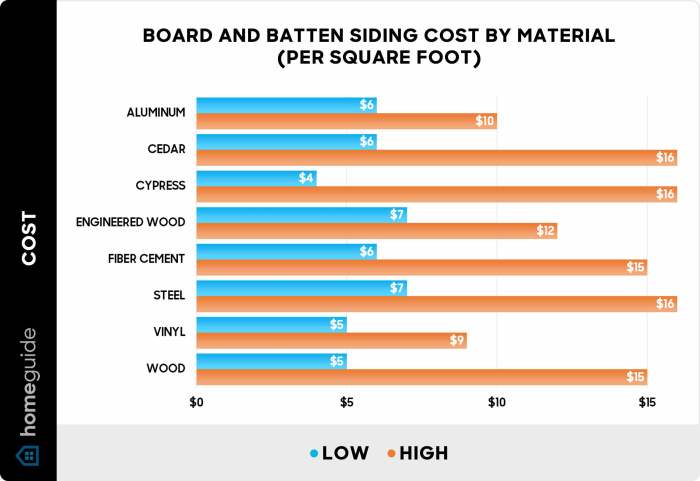
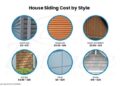
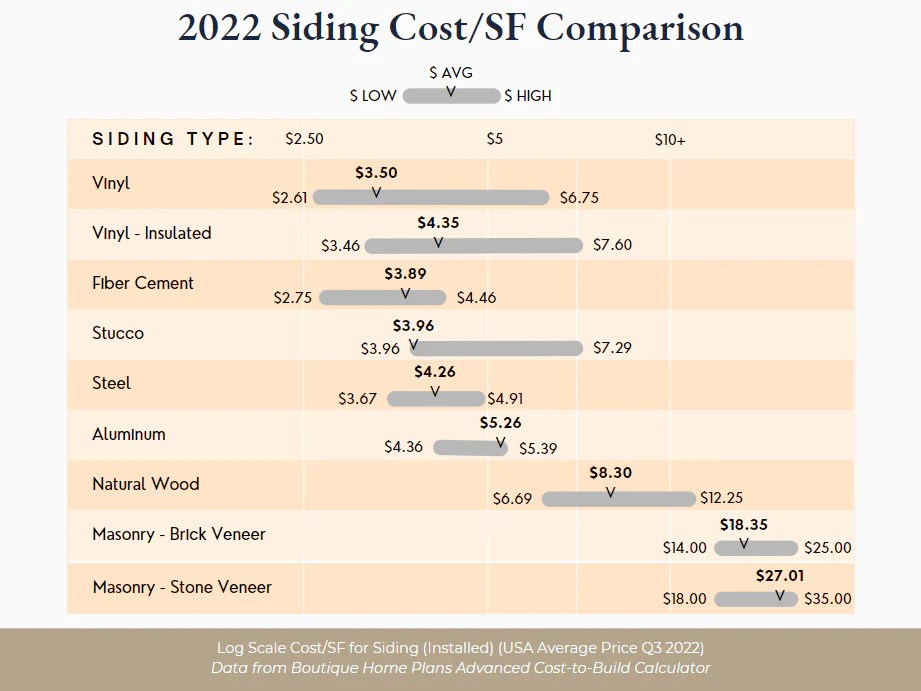
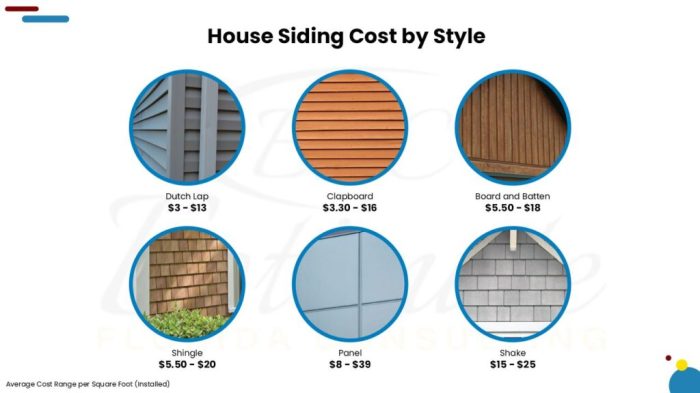
When considering the average cost for different types of siding, it's essential to factor in not just the initial material cost, but also installation expenses, maintenance requirements, and the lifespan of the siding. Here is a comparison of the average cost per square foot for various siding materials:
Vinyl Siding
Vinyl siding is one of the most affordable options, with an average cost ranging from $3 to $8 per square foot. Installation costs are relatively low, and maintenance is minimal. Vinyl siding typically lasts 20 to 40 years.
Wood Siding
Wood siding is a bit pricier, with an average cost between $5 to $10 per square foot. Installation costs can be higher due to the skill required for proper installation. Maintenance is moderate, with regular painting or staining needed. Wood siding can last 20 to 30 years with proper care.
Fiber Cement Siding
Fiber cement siding falls in the mid-range in terms of cost, averaging between $5 to $12 per square foot. Installation costs can be higher due to the weight of the material. However, maintenance is low, and fiber cement siding can last 30 to 50 years.
Brick Siding
Brick siding is one of the more expensive options, with an average cost ranging from $8 to $15 per square foot. Installation costs are high due to the labor-intensive nature of bricklaying. Maintenance is minimal, and brick siding can last over 100 years, making it a durable choice.
Metal Siding
Metal siding can vary in cost, with an average range of $5 to $15 per square foot depending on the type of metal used. Installation costs can be moderate, and maintenance requirements are generally low. Metal siding can last 40 to 60 years, depending on the metal chosen.
Stone Veneer Siding
Stone veneer siding is on the higher end of the cost spectrum, averaging between $10 to $30 per square foot. Installation costs are significant due to the weight and complexity of the material. Maintenance is low, and stone veneer siding can last a lifetime with proper care.
Cost Breakdown of Siding Installation
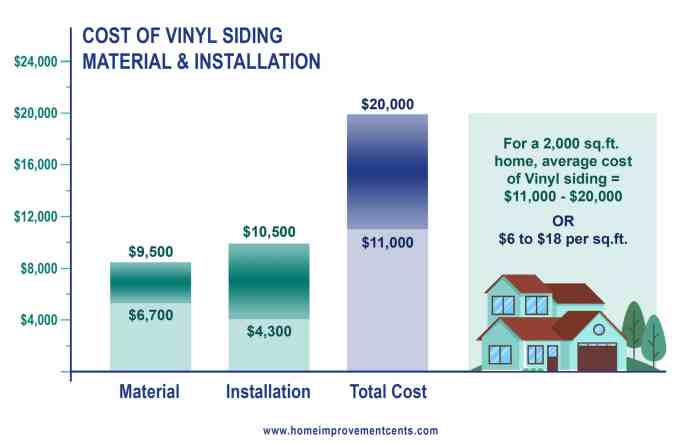
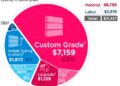
When it comes to the average cost for siding installation, it's essential to understand how the overall budget is broken down. This breakdown typically includes material costs, labor expenses, and additional fees that may arise during the project. Various factors can influence these costs, such as the complexity of the project, customization requirements, permits, and unexpected expenses.
Material Costs
Material costs account for a significant portion of the total budget for siding installation. The type of siding material chosen will greatly impact this cost. For example, vinyl siding tends to be more affordable compared to fiber cement or wood siding options.
Additionally, the quality and quantity of materials needed for the project will also affect the overall cost.
Labor Expenses
Labor expenses encompass the costs associated with hiring professionals to install the siding. The complexity of the project, such as the size of the property, the number of stories, and any unique architectural features, can impact labor costs. Additionally, the location of the property and the availability of skilled labor in the area may also influence labor expenses.
Additional Fees
In addition to material costs and labor expenses, there may be additional fees that contribute to the overall budget for siding installation. These fees can include permits required by local authorities, disposal fees for old siding materials, and any unexpected costs that may arise during the project.
It's essential to account for these potential additional fees when budgeting for siding installation.
Summary
Wrapping up our discussion on the average cost for siding, we've covered the key elements that impact pricing and provided insights into choosing the right material for your project. Whether you're looking for durability, aesthetics, or affordability, understanding these costs is crucial for your siding decisions.
FAQ Overview
What factors can affect the cost of siding installation?
Factors like material choice, project size, labor costs, location, and additional features can all influence the overall cost of siding installation.
Which siding material is the most affordable?
Vinyl siding tends to be the most affordable option compared to wood, fiber cement, metal, and other popular choices.
How long can I expect siding to last?
The lifespan of siding materials varies, but typically vinyl lasts around 20-40 years, while wood can last 20-100 years depending on maintenance.
Are there any unexpected costs associated with siding installation?
Unexpected costs can arise due to project complexity, customization, permits, and unforeseen challenges during installation. It's important to budget for these contingencies.