Embarking on a journey through all metal roofing and siding, this introduction aims to captivate readers with a glimpse into the realm of sturdy, energy-efficient materials that define modern architecture.
As we delve deeper into the intricacies of metal roofing and siding, we uncover the secrets behind their durability, versatility, and aesthetic appeal.
Benefits of All Metal Roofing and Siding
Metal roofing and siding offer numerous advantages that make them a popular choice for many homeowners and businesses. Their durability, energy efficiency, and aesthetic appeal set them apart from other roofing and siding materials.
Durability
Metal roofing and siding are known for their exceptional durability. They can withstand harsh weather conditions such as heavy rain, strong winds, and snow without deteriorating or needing frequent repairs. Unlike traditional roofing materials like asphalt shingles, metal roofs and siding do not crack, warp, or rot over time.
This longevity translates to cost savings in the long run, as they require less maintenance and replacement compared to other materials.
Energy Efficiency
Metal roofing and siding are highly energy efficient. They reflect a significant amount of solar heat, reducing the amount of heat absorbed into the building. This helps in maintaining a comfortable indoor temperature and lowers the need for excessive air conditioning during hot summer months.
Additionally, metal roofs can be coated with reflective finishes that further enhance their energy efficiency by reducing cooling costs. This energy-saving feature not only benefits the environment but also helps in reducing energy bills for homeowners and businesses.
Types of Metal Used in Roofing and Siding
Metal roofing and siding offer durability, longevity, and aesthetic appeal to buildings. Different types of metals are commonly used for roofing and siding, each with its own unique characteristics and benefits.
Steel
Steel is one of the most popular choices for metal roofing and siding due to its strength and affordability. It is available in various gauges and can withstand harsh weather conditions. However, steel is prone to rust and corrosion over time, especially if not properly maintained.
Aluminum
Aluminum is lightweight, resistant to corrosion, and has a long lifespan, making it a popular choice for coastal areas or regions with high humidity. It is more expensive than steel but requires less maintenance. However, aluminum can dent easily, affecting its appearance.
Copper
Copper is known for its distinctive appearance that develops a natural patina over time, giving buildings a unique and elegant look. It is highly durable, resistant to corrosion, and has a long lifespan. However, copper is one of the most expensive metal options for roofing and siding.
Zinc
Zinc is a versatile metal that offers excellent corrosion resistance and self-healing properties. It is lightweight, environmentally friendly, and has a low maintenance requirement. Zinc develops a protective layer called a patina that enhances its durability over time. However, zinc can be more costly compared to other metal options.
Installation Process for All Metal Roofing and Siding
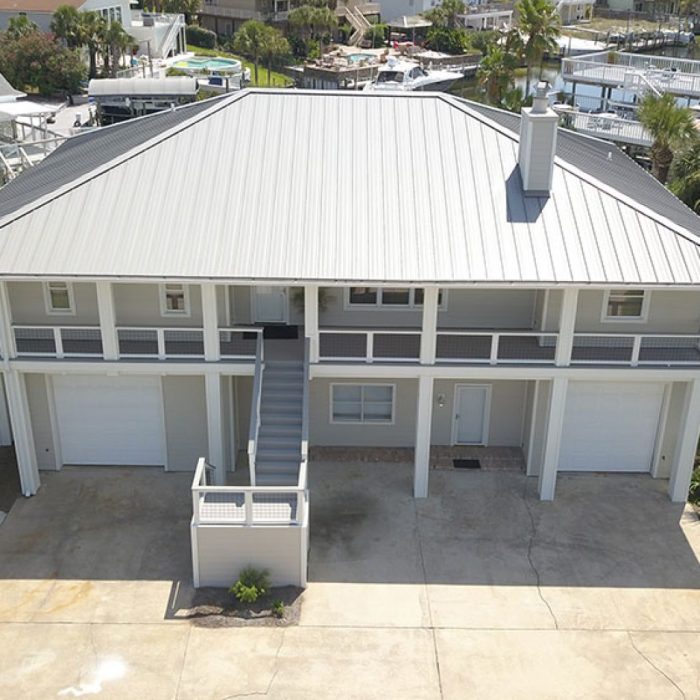
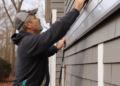
Metal roofing and siding installation involves several key steps to ensure a durable and long-lasting finish. Proper installation techniques are crucial for the overall performance and longevity of the metal materials. Let's dive into the details of the installation process.
Preparation
Before starting the installation, it is essential to prepare the area by removing the existing roofing material, ensuring a clean and smooth surface for the metal panels. This step also involves measuring the roof dimensions accurately to determine the quantity of materials needed.
Tools and Equipment
The installation of metal roofing and siding requires specific tools and equipment to ensure a precise and efficient process. Some of the essential tools include:
- Measuring tape
- Tin snips
- Screw gun
- Caulking gun
- Ladder or scaffolding
- Safety gear (gloves, goggles, etc.)
Having the right tools on hand is crucial for a successful installation.
Installation Techniques
Proper installation techniques are vital for the longevity and performance of metal roofing and siding. Some key techniques include:
- Ensuring proper fastening of the metal panels to prevent leaks and wind uplift.
- Properly sealing seams and edges to prevent water infiltration.
- Following manufacturer's guidelines for installation to maintain warranty coverage.
- Regular inspection and maintenance to ensure the integrity of the metal materials.
Adhering to these techniques will help prolong the life of your metal roofing and siding.
Maintenance Tips for Metal Roofing and Siding
Maintaining your metal roofing and siding is crucial to ensuring its longevity and aesthetic appeal. By following some simple maintenance tips, you can keep your metal surfaces in top condition for years to come.
Preventing Corrosion and Rust
To prevent corrosion and rust on your metal roofing and siding, it is essential to keep them clean and free from debris. Regularly inspect the surfaces for any signs of damage or wear, and promptly address any issues to prevent rust from forming.
Applying a protective coating or sealant can also help to prevent corrosion.
Cleaning and Preserving Metal Surfaces
Regularly cleaning your metal roofing and siding is key to maintaining their appearance. Use a mild detergent and water solution to remove dirt and grime, avoiding harsh chemicals that could damage the metal. Rinse thoroughly with clean water and dry the surfaces to prevent water spots.
Additionally, consider applying a metal-specific cleaner or polish to preserve the shine and protect against environmental elements.
Inspecting for Damage
Regularly inspect your metal roofing and siding for any signs of damage, such as dents, scratches, or loose panels. Addressing these issues promptly can prevent more significant problems from developing and extend the lifespan of your metal surfaces. Consider hiring a professional for a thorough inspection at least once a year to catch any potential issues early on.
Final Summary
In conclusion, all metal roofing and siding stand as pillars of strength and sustainability in the construction industry, offering a blend of functionality and style that transcends time.
Expert Answers
What are the benefits of choosing metal roofing and siding?
Metal roofing and siding provide exceptional durability, energy efficiency, and aesthetic appeal compared to traditional materials.
Which types of metal are commonly used in roofing and siding?
The most common types include steel, aluminum, copper, and zinc, each offering unique characteristics and benefits.
How can I maintain metal roofing and siding?
Maintain metal surfaces by following guidelines for cleaning, preventing corrosion, and preserving their appearance to ensure longevity.