Architect and interior designer come together to create spaces that inspire and captivate. From conceptualization to realization, their collaboration brings visions to life with precision and creativity. This article delves into the intricacies of their roles, shedding light on the magic they weave in the world of design.
As we unravel the layers of architecture and interior design, a fascinating journey awaits, filled with insights and revelations that showcase the artistry and expertise behind every structure and space.
Overview of Architect and Interior Designer
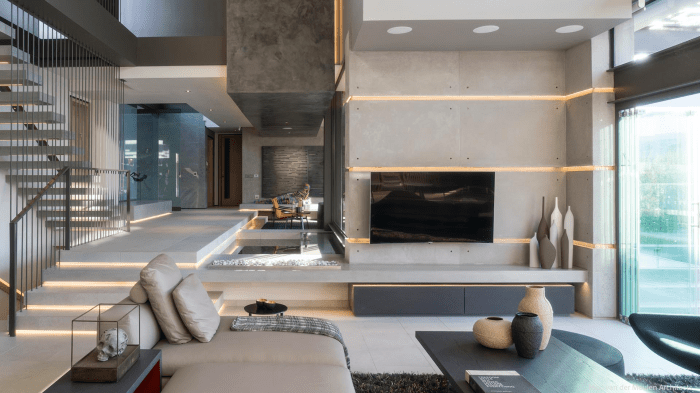
Architects and interior designers play crucial roles in the design process of buildings and spaces, each bringing unique expertise to create functional and aesthetically pleasing environments.
Roles and Responsibilities of an Architect
Architects are responsible for designing and planning the overall structure of a building, considering factors such as safety, functionality, and aesthetics. They work closely with clients to understand their needs and vision for the project, creating detailed blueprints and overseeing the construction process to ensure the final result meets both design and structural requirements.
Differences between an Architect and an Interior Designer
- Architects focus on the overall design and structure of a building, including exterior elements, while interior designers specialize in creating functional and visually appealing interiors.
- Architects are trained to understand building codes, structural integrity, and spatial planning, while interior designers have expertise in materials, color schemes, and furniture selection.
- Architects typically work on larger-scale projects such as residential or commercial buildings, while interior designers often focus on smaller-scale projects like homes, offices, or retail spaces.
Collaboration between Architects and Interior Designers
Architects and interior designers often collaborate on projects to ensure a cohesive design that integrates both the exterior and interior elements of a space. They work together to create a unified vision that considers both structural and aesthetic aspects, combining their expertise to deliver a well-rounded and harmonious design.
Education and Training
Becoming an architect or interior designer requires a specific educational path and training to acquire the necessary skills and qualifications in the field.
Architect Educational Path
To become an architect, individuals typically need to complete a professional degree in architecture from a program accredited by the National Architectural Accrediting Board (NAAB). This can include a Bachelor of Architecture (B.Arch) or a Master of Architecture (M.Arch) degree.
Additionally, aspiring architects must participate in a paid internship, known as the Architectural Experience Program (AXP), which provides practical training and experience in the field. Finally, candidates must pass the Architect Registration Examination (ARE) to become licensed architects.
Interior Designer Training and Qualifications
Interior designers typically pursue a degree in interior design or a related field from an accredited institution. This can include a Bachelor of Fine Arts (BFA) or a Bachelor of Science (BS) in Interior Design. In addition to formal education, interior designers may also seek certification through organizations like the National Council for Interior Design Qualification (NCIDQ) to demonstrate their expertise and qualifications in the field.
Skill Sets Comparison
The education and training of architects focus on technical aspects of building design, construction, and structural integrity. Architects learn to create functional and aesthetically pleasing spaces while considering safety, building codes, and environmental impact. On the other hand, interior designers focus more on the aesthetics, functionality, and spatial planning of interior spaces.
They work with colors, textures, furniture, and lighting to create cohesive and visually appealing environments for clients. While architects and interior designers may collaborate on projects, their educational backgrounds provide them with distinct skill sets that complement each other in the design process.
Design Process
The design process in architecture and interior design involves a series of steps to bring a concept from idea to reality. Architects and interior designers follow a systematic approach to ensure that the final design meets the requirements and expectations of the client.
Architect’s Design Process
Architects typically follow these steps in their design process:
- Programming: Gathering information about the project requirements, budget, and timeline.
- Schematic Design: Creating initial sketches and concepts based on the client's needs and preferences.
- Design Development: Refining the concept, developing detailed drawings, and selecting materials.
- Construction Documents: Creating precise drawings and specifications for construction.
- Permitting: Obtaining necessary approvals and permits from relevant authorities.
- Construction Administration: Overseeing the construction process to ensure the design is implemented correctly.
Interior Designer’s Design Concept
Interior designers approach creating a design concept by:
- Understanding the client's needs, preferences, and budget constraints.
- Developing a design concept that reflects the client's style and functional requirements.
- Creating mood boards, sketches, and 3D renderings to visualize the design concept.
- Selecting furniture, finishes, lighting, and accessories that complement the overall design.
- Collaborating with architects, contractors, and other professionals to execute the design.
Tools and Software
Architects and interior designers commonly use the following tools and software in their design process:
- AutoCAD: Computer-aided design software for creating precise drawings and plans.
- SketchUp: 3D modeling software for visualizing designs in three dimensions.
- Revit: Building Information Modeling (BIM) software for creating detailed 3D models of buildings.
- Adobe Photoshop: Graphic design software for editing images and creating presentations.
- Hand sketching tools: Architects and interior designers often start the design process with hand sketches to explore ideas and concepts.
Project Examples
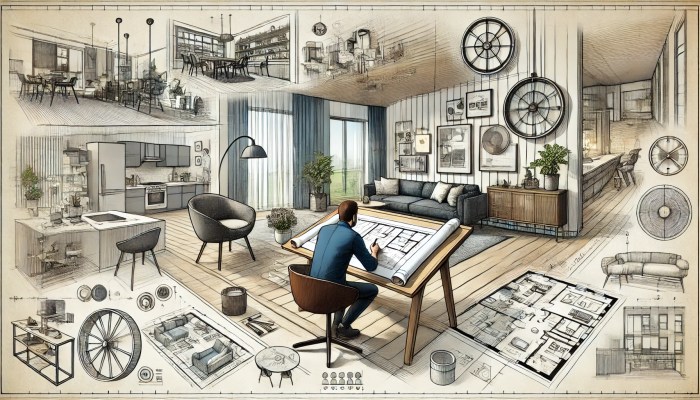
In this section, we will showcase a notable architectural project and analyze its design elements. We will also highlight a unique interior design project and discuss the creative process behind it. Finally, we will compare and contrast the challenges faced by architects and interior designers in different projects.
Architectural Project: The Guggenheim Museum, Bilbao
The Guggenheim Museum in Bilbao, Spain, designed by renowned architect Frank Gehry, is a masterpiece of contemporary architecture. The building's iconic titanium-clad curves and unique form make it a standout example of deconstructivist architecture. The design elements, such as the flowing lines and the use of innovative materials, create a sense of movement and fluidity that captivates visitors.
Interior Design Project: The Icehotel, Sweden
The Icehotel in Sweden is a stunning example of innovative interior design. Each year, artists and designers create unique ice sculptures and installations within the hotel, turning it into a magical winter wonderland. The creative process behind this project involves careful planning of the layout, lighting, and sculptural elements to ensure a harmonious and immersive experience for guests.
Challenges Faced by Architects and Interior Designers
Architects and interior designers face different challenges in their respective projects. Architects often deal with structural constraints, building codes, and environmental considerations, while interior designers focus on creating functional and aesthetically pleasing spaces within those constraints. Both professions require a deep understanding of spatial planning, materials, and client needs, but the specific challenges vary depending on the project scope and scale.
Concluding Remarks
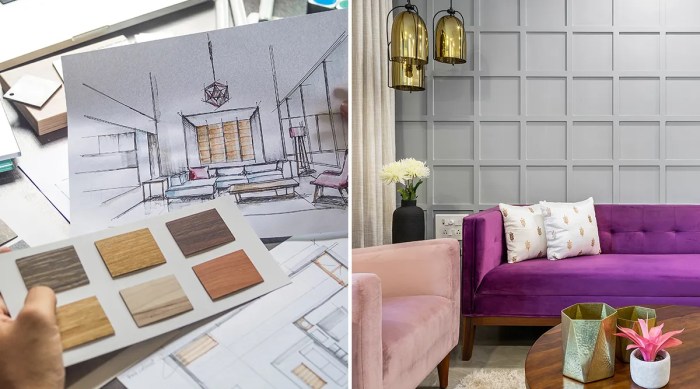
In conclusion, the partnership between an architect and an interior designer is a harmonious blend of innovation and aesthetics. Their combined efforts shape environments that leave lasting impressions and redefine the boundaries of design. As we reflect on their contributions, it's evident that their collaboration is truly a masterpiece in the realm of creativity.
General Inquiries
What are the main differences between an architect and an interior designer?
Architects focus on the overall structure and design of a building, while interior designers specialize in creating functional and aesthetically pleasing interior spaces.
How do architects and interior designers collaborate on projects?
Architects and interior designers work together to ensure that the exterior and interior design elements of a space complement each other seamlessly, creating a cohesive and visually appealing result.