Exploring the realm of home depot vinyl siding installation cost, this article delves into the key factors influencing pricing and what homeowners should consider before embarking on this project.
From the types of vinyl siding available to the installation process at Home Depot, this guide offers a comprehensive overview to help you make informed decisions.
Overview of Home Depot Vinyl Siding Installation Cost
When considering the cost of vinyl siding installation at Home Depot, several factors come into play. These factors can include the size of the home, the type and quality of the vinyl siding chosen, any additional materials needed for the installation, the complexity of the project, and the labor costs involved.
Factors Affecting Cost
- The size of the home: The larger the home, the more materials and labor will be required, leading to a higher cost.
- Type and quality of vinyl siding: Premium vinyl siding options will have a higher upfront cost compared to standard options.
- Additional materials: Depending on the condition of the existing siding or any special requirements, additional materials may be needed, adding to the overall cost.
- Complexity of the project: Factors such as architectural details, trim work, and any unique features of the home can increase the complexity of the installation, impacting the cost.
- Labor costs: The cost of labor will vary based on the experience and expertise of the installers, as well as the time required to complete the project.
Typical Cost Range
On average, the cost of vinyl siding installation at Home Depot can range from $4 to $8 per square foot. This cost estimate includes materials, labor, and any additional supplies needed for the installation.
Importance of Detailed Quote
Before proceeding with the installation, it is crucial to obtain a detailed quote from Home Depot or a professional contractor. A detailed quote will Artikel the specific costs associated with the project, helping you understand the breakdown of expenses and make an informed decision about your budget and the scope of work.
Types of Vinyl Siding Available at Home Depot
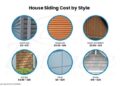
When it comes to selecting vinyl siding for your home, Home Depot offers a variety of options to choose from. Each type comes with its own set of features, benefits, and price points, so it's essential to understand the differences before making a decision.
Standard Vinyl Siding
Standard vinyl siding is the most common option available at Home Depot. It is durable, easy to install, and comes in a wide range of colors and textures. The cost of standard vinyl siding is relatively affordable compared to other materials, making it a popular choice among homeowners on a budget.
Insulated Vinyl Siding
Insulated vinyl siding provides additional energy efficiency to your home by helping to regulate indoor temperatures. While this type of siding comes at a higher cost than standard vinyl, the long-term savings on energy bills may make it a worthwhile investment for some homeowners.
Vertical Vinyl Siding
Vertical vinyl siding offers a unique look that can enhance the aesthetic appeal of your home. It is often used for contemporary or modern architectural styles. While vertical vinyl siding may cost more than standard horizontal siding, the visual impact it creates can be well worth the price.
Shake Vinyl Siding
Shake vinyl siding mimics the look of traditional wood shakes but with the added benefits of durability and low maintenance. While the cost of shake vinyl siding is higher than standard options, it provides a classic and timeless appearance that can increase your home's curb appeal.
Scallop Vinyl Siding
Scallop vinyl siding features a scalloped or fish-scale design that adds a whimsical touch to your home's exterior. This type of siding is ideal for Victorian or cottage-style homes. While the cost of scallop vinyl siding may be higher than standard options, the unique look it provides can make your home stand out in the neighborhood.Overall, the type of vinyl siding you choose will depend on your budget, aesthetic preferences, and long-term goals for your home.
Consider the pros and cons of each option available at Home Depot to make an informed decision that suits your needs and style.
Installation Process at Home Depot
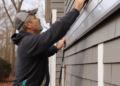
Installing vinyl siding at Home Depot involves several key steps to ensure a successful outcome. Before the installation begins, there are important preparation tasks that need to be completed. Additionally, understanding the typical timeline for completing a vinyl siding installation project can help set realistic expectations.
General Steps Involved in the Vinyl Siding Installation Process
- First, the existing siding or exterior cladding needs to be removed to prepare the surface for the new vinyl siding installation.
- Next, any necessary repairs or adjustments to the exterior wall, such as fixing damaged areas or adding insulation, should be addressed.
- The vinyl siding panels are then carefully measured and cut to fit the specific dimensions of the home's exterior walls.
- Once the panels are ready, they are installed one by one, starting from the bottom and working upwards, ensuring a secure and uniform appearance.
- Trim pieces, corner caps, and other accessories are added to complete the installation and provide a polished look.
Preparation Work Needed Before Installation Begins
- Clearing the area around the home to provide easy access for the installation crew and materials.
- Ensuring that the exterior walls are clean and free of debris or obstructions that could interfere with the installation process.
- Checking for any structural issues or damage that may need to be addressed before the new siding can be installed.
Typical Timeline for Completing a Vinyl Siding Installation Project
While the timeline can vary depending on the size of the home and other factors, a standard vinyl siding installation project at Home Depot can typically be completed within 1 to 2 weeks.
Additional Costs to Consider
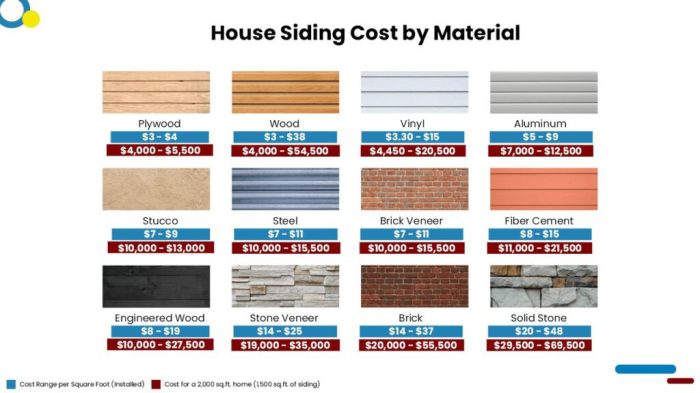
When planning for vinyl siding installation, homeowners should be aware of potential additional costs that may arise beyond the basic installation fee. These extra charges can impact the overall budget and should be taken into account during the planning process.
Removal of Old Siding
One significant additional cost to consider is the removal of old siding before the new vinyl siding can be installed. The labor and disposal fees associated with removing the existing siding can add to the total cost of the project.
Disposal Fees
Disposal fees for the old siding materials can also be an added expense. Homeowners may need to pay for the proper disposal of the old siding, which can vary depending on the type of materials and local regulations.
Customization Options
Customization options, such as choosing a specific color or style of vinyl siding, can lead to additional costs. Upgrading to premium siding materials or adding decorative features can increase the overall cost of the installation.
Budgeting Tips
- Obtain multiple quotes from different contractors to compare prices and services.
- Include a buffer in your budget for unexpected expenses that may arise during the installation process.
- Communicate openly with your contractor about your budget constraints and ask for a breakdown of all potential costs.
- Consider the long-term savings of investing in high-quality materials that may have a higher upfront cost but lower maintenance expenses in the future.
Conclusion
In conclusion, understanding the costs associated with home depot vinyl siding installation is crucial for any homeowner looking to enhance their property. Armed with this knowledge, you can confidently navigate the process and achieve the desired results.
FAQ Explained
What factors contribute to the cost of vinyl siding installation at Home Depot?
Factors such as the size of the project, choice of materials, additional services required, and local labor costs can impact the overall cost of vinyl siding installation at Home Depot.
What are the different types of vinyl siding options available at Home Depot?
Vinyl siding options at Home Depot include traditional vinyl, insulated vinyl, and decorative vinyl styles, each offering unique benefits and varying price points.
What additional costs should homeowners consider besides the basic installation cost?
Homeowners should budget for potential extra charges like removal of old siding, disposal fees, customization options, and any unexpected repairs that may arise during the installation process.