Delving into the realm of house siding contractors, this introductory paragraph aims to intrigue readers with a glimpse into the diverse materials, installation processes, and maintenance aspects associated with these professionals.
As we navigate through the different types of siding, factors to consider when choosing a contractor, the installation process, and maintenance tips, we unravel the intricate world of house siding contractors.
Types of House Siding
When it comes to house siding, there are various materials that contractors commonly use. Each type of siding material comes with its own set of advantages and disadvantages, so it's important to consider your specific needs and budget before making a decision.
Vinyl Siding
Vinyl siding is one of the most popular choices for homeowners due to its affordability and low maintenance requirements. It comes in a wide range of colors and styles, making it a versatile option for many different types of homes.
However, vinyl siding can crack or fade over time, and some homeowners may not like the plastic look of this material.
Wood Siding
Wood siding offers a natural and timeless aesthetic that many homeowners love. It can be painted or stained in a variety of colors to match your home's style. However, wood siding requires regular maintenance, including staining or painting every few years to prevent rot and decay.
It is also more expensive than vinyl siding.
Fiber Cement Siding
Fiber cement siding is a durable and low-maintenance option that mimics the look of wood or masonry without the same level of upkeep. It is resistant to fire, insects, and rot, making it a long-lasting choice for many homeowners. However, fiber cement siding can be more expensive than vinyl and may require professional installation.
Brick Siding
Brick siding is a classic choice that adds a sense of elegance and durability to any home. It is resistant to fire, insects, and rot, and requires very little maintenance over time. However, brick siding is one of the most expensive options and may require additional structural support due to its weight.Overall, the best type of house siding for you will depend on your budget, maintenance preferences, and desired aesthetic.
Consider consulting with a professional contractor to help you choose the right siding material for your home.
Factors to Consider When Choosing a House Siding Contractor
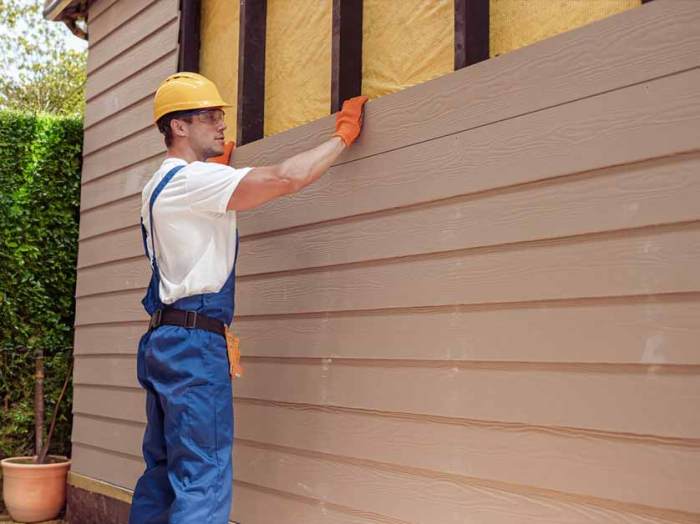
When it comes to selecting a house siding contractor, there are several key factors that homeowners should take into consideration to ensure a successful and satisfactory outcome for their home improvement project.
Before hiring a siding contractor, it is crucial to check their licenses, insurance, and references. A legitimate contractor should be properly licensed to operate in your area, carry adequate insurance to protect both parties in case of accidents or damages, and provide references from previous clients to showcase their work quality and reliability.
Experience and Reputation Evaluation
When evaluating siding contractors, it is essential to consider their experience and reputation in the industry. Look for contractors with a proven track record of successful projects similar to yours and check online reviews and ratings to gauge their reputation among past clients.
- Check the contractor's portfolio to see examples of their previous work and ensure it aligns with your aesthetic preferences and requirements.
- Ask for a detailed estimate that includes materials, labor costs, and a timeline for the project to compare with other bids and assess the contractor's transparency and professionalism.
- Interview the contractor in person to discuss your project goals, ask about their process and timeline, and address any concerns or questions you may have before making a final decision.
Siding Installation Process
When it comes to installing house siding, there are several crucial steps involved to ensure a successful and long-lasting result. From preparation to finishing touches, each phase plays a vital role in the overall process.
Preparation and Planning
Before any siding installation can begin, contractors must first assess the existing structure and determine the best approach for the project. This may involve removing old siding, repairing any damaged areas, and taking accurate measurements to ensure a precise fit for the new siding materials.
Timeline for Siding Installation
The timeline for siding installation can vary depending on the size of the project, the complexity of the design, and the weather conditions. On average, the process can take anywhere from a few days to a couple of weeks to complete.
Here is a general breakdown of the timeline:
- Day 1-2: Preparation and removal of old siding
- Day 3-5: Installation of insulation and weatherproofing materials
- Day 6-10: Actual siding installation
- Day 11-12: Finishing touches and clean-up
Insulation and Weatherproofing
Proper insulation and weatherproofing are crucial aspects of the siding installation process to protect your home from the elements and ensure energy efficiency. Contractors typically use materials such as foam boards, house wrap, and sealants to provide a barrier against moisture, drafts, and heat loss.
By carefully sealing seams and joints, contractors can prevent water infiltration and maintain a comfortable indoor environment.
Maintenance and Repair Tips
Proper maintenance and timely repairs are essential for keeping your house siding in top condition and prolonging its lifespan. Here are some tips to help you take care of your siding:
Regular Cleaning and Inspections
- Regularly clean your siding with a gentle detergent and a soft brush or cloth to remove dirt, mold, and mildew.
- Inspect your siding at least once a year for any signs of damage, such as cracks, warping, or peeling paint.
- Trim back trees and shrubs to prevent them from rubbing against your siding and causing damage.
Addressing Common Issues
- If you notice any damaged or missing siding panels, contact a professional contractor to repair or replace them promptly.
- Water damage is a common issue with siding. Ensure that your gutters are clean and properly functioning to prevent water from seeping behind the siding.
- If you see signs of mold or mildew growth, treat the affected areas with a solution of water and bleach to prevent further damage.
Repair vs. Replacement
- Minor damage, such as small cracks or dents, can often be repaired by a skilled contractor without the need for a full replacement.
- However, if your siding is extensively damaged, has reached the end of its lifespan, or is no longer energy-efficient, it may be time to consider replacing it.
- Consult with a reputable siding contractor to assess the condition of your siding and determine whether repair or replacement is the best course of action.
Epilogue
Wrapping up our exploration, we've uncovered the key aspects of house siding contractors, shedding light on the crucial considerations homeowners should keep in mind. From selecting the right material to ensuring proper installation and maintenance, this discussion provides a comprehensive guide to navigating the realm of house siding contractors.
FAQ Corner
What are the most common types of house siding materials used by contractors?
Contractors commonly use materials like vinyl, wood, fiber cement, and metal for house siding. Each material has its own set of advantages and considerations.
How can homeowners assess the experience and reputation of siding contractors?
Homeowners can check online reviews, ask for references, and inquire about past projects to gauge the experience and reputation of siding contractors.
What are some common maintenance tips for house siding?
Regularly cleaning the siding, inspecting for damage, and addressing issues promptly can help extend the lifespan of house siding.
When should homeowners opt for siding replacement instead of repairs?
Homeowners should consider factors like extensive damage, age of the siding, and cost-effectiveness when deciding between siding replacement and repairs.