Delving into the realm of modern house interior design, this narrative sets the stage for a captivating exploration of key elements, innovative concepts, and practical tips that define the essence of modern design aesthetics.
As we journey through the intricacies of modern interior design, we uncover a tapestry of color schemes, furniture choices, spatial layouts, and technological integrations that shape the contemporary living spaces of today.
Basic Principles of Modern House Interior Design
Modern interior design is characterized by a sleek and clean aesthetic that focuses on simplicity and functionality. Key elements that define modern interior design include:
Color Schemes
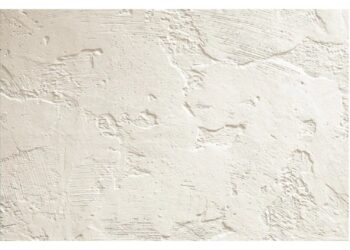
Common color schemes used in modern interiors are neutral tones such as white, beige, gray, and black. These colors create a sense of calm and simplicity while allowing other design elements to stand out.
Clean Lines and Minimalism
Clean lines and minimalism are essential in modern design to create a sense of openness and simplicity. Furniture and decor items are often sleek and uncomplicated, with a focus on functionality and minimal ornamentation.
Natural Light
Incorporating natural light into modern interiors is crucial to enhance the overall design. Large windows, skylights, and open floor plans help maximize natural light, creating a bright and airy space that feels welcoming and spacious.
Furniture and Decor Choices
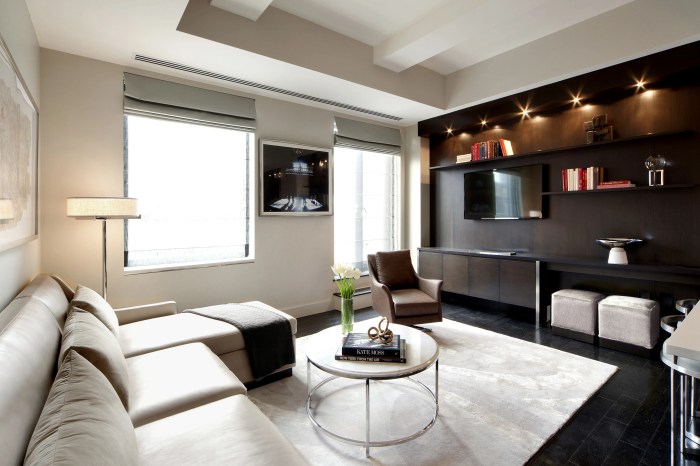
When it comes to modern house interior design, the choice of furniture and decor plays a crucial role in creating a sleek and cohesive look. Let's explore the characteristics of furniture pieces that suit modern interiors, compare different materials commonly used, share tips on selecting decor items, and discuss the role of statement pieces in adding personality to modern spaces.
Characteristics of Furniture for Modern Interiors
- Sleek and Clean Lines: Modern furniture is known for its simple yet sophisticated design with clean, straight lines.
- Minimalistic Approach: Furniture pieces are often minimalistic in design, focusing on functionality and simplicity.
- Mixed Materials: Combining materials like metal, glass, and wood can create an interesting contrast in modern interiors.
- Neutral Colors: Furniture in modern interiors often features neutral colors like white, black, gray, or beige to maintain a clean aesthetic.
Comparison of Materials in Modern Furniture
- Metal: Metal furniture adds a sleek and industrial touch to modern interiors, providing durability and a contemporary look.
- Glass: Glass furniture pieces can create a sense of openness and lightness in a space, perfect for modern design aesthetics.
- Wood: Wooden furniture brings warmth and texture to modern interiors, balancing out the sleekness of other materials.
Tips for Selecting Decor Items
- Less is More: Opt for a few carefully selected decor items to avoid cluttering the space and maintain a minimalist look.
- Focus on Functionality: Choose decor items that serve a purpose besides aesthetics, such as storage baskets or decorative trays.
- Texture and Contrast: Incorporate decor items with different textures to add depth and visual interest to the space.
Role of Statement Pieces
- Focal Point: Statement pieces like a bold artwork or unique furniture item can serve as a focal point in a modern interior, adding personality and visual interest.
- Conversation Starter: Unique decor items or furniture pieces can spark conversations and showcase your personal style in a modern space.
Spatial Layout and Functionality
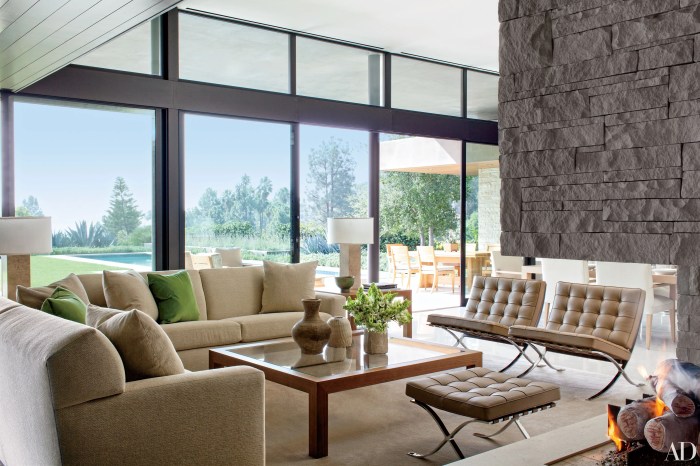
In modern house interior design, maximizing space is crucial to create a functional and aesthetically pleasing environment. By carefully planning the spatial layout, you can ensure that every corner of the house is utilized efficiently.
Maximizing Space in Modern Interiors
- Utilize built-in storage solutions to reduce clutter and keep the space organized.
- Choose multi-functional furniture pieces that serve more than one purpose, such as a sofa bed or a coffee table with storage.
- Use light colors and reflective surfaces to create the illusion of a larger space.
Open Floor Plans in Modern Design
Open floor plans have become increasingly popular in modern interior design for their ability to create a sense of spaciousness and connectivity within the home.
- They allow for better flow of natural light and ventilation throughout the space.
- Open floor plans make it easier to entertain guests and facilitate communication between different areas of the house.
Functional Furniture in Modern Interior Layouts
- Choose furniture pieces that not only look stylish but also serve a practical purpose.
- Opt for sleek and minimalistic designs that do not overcrowd the space.
- Consider the scale of furniture in relation to the size of the room to maintain a balanced look.
Creating a Seamless Flow Between Different Areas
To achieve a seamless flow between different areas within a modern home, consider the following:
- Use area rugs to define separate spaces within an open floor plan.
- Ensure that there is enough space between furniture pieces for easy movement.
- Coordinate the color scheme and decor style throughout the house to maintain a cohesive look.
Technology Integration in Modern Interiors
In modern house interiors, technology plays a crucial role in enhancing functionality, convenience, and aesthetics. Smart home technologies have revolutionized the way we interact with our living spaces, offering a seamless integration of digital features into the design.
Smart Lighting Systems
Smart lighting systems are a key component of modern interior design, allowing homeowners to adjust lighting levels, colors, and ambiance with a touch of a button or a voice command. These systems not only enhance the visual appeal of a space but also contribute to energy efficiency and cost savings.
- Install smart bulbs and fixtures that can be controlled remotely via a smartphone app or voice assistant.
- Program lighting scenes for different activities, such as movie nights, dinner parties, or relaxation.
- Integrate motion sensors to automatically turn lights on and off based on occupancy, improving convenience and energy conservation.
Concealing Tech Gadgets
To maintain the sleek and minimalist look of modern interiors, it is essential to conceal tech gadgets effectively. This involves strategic placement and clever design solutions to hide wires, devices, and controls without compromising accessibility or functionality.
- Consider built-in storage units or concealed compartments to house tech gadgets when not in use.
- Opt for furniture pieces with integrated charging stations or hidden compartments for electronics.
- Use cable management systems to organize and hide wires behind furniture or within walls for a clean and clutter-free look.
Automation Systems
Automation systems bring a new level of convenience and efficiency to modern homes by allowing seamless control of various devices and appliances. From smart thermostats to automated blinds, these systems streamline daily tasks and enhance the overall living experience.
- Invest in a centralized smart home hub to manage and coordinate different automation systems throughout the house.
- Integrate voice control or smartphone apps to adjust settings and preferences for lighting, temperature, security, and entertainment.
- Utilize sensors and timers to automate routine tasks, such as adjusting lighting levels based on natural light or setting thermostats for optimal energy savings.
Outcome Summary
In conclusion, modern house interior design offers a harmonious blend of functionality, style, and technological innovation. It is a reflection of our evolving lifestyles, where form meets function in a seamless symphony of design.
FAQ
What are the key elements of modern interior design?
Modern interior design focuses on clean lines, minimalism, and the use of natural light to create a sleek and open space.
How can I select decor items that complement modern design aesthetics?
Opt for decor pieces with simple shapes, neutral colors, and a focus on functionality to enhance the modern look of your space.
What smart home technologies can enhance modern interiors?
Smart lighting systems, automation systems, and integrated tech gadgets can elevate the functionality and style of modern house interiors.